Why Choose Custom Sublimated Hoodies for Unique Designs?
Thermal sublimation technology can achieve 97% Pantone color gamut coverage, far exceeding the 62% limitation of screen printing, enabling custom sublimated hoodies to accurately reproduce complex designs such as gradients and photo-quality patterns. The volunteer uniforms for the 2023 Paris Olympics adopted this process. Each piece of clothing integrates 37 color transitions, with a design error rate of only 0.8% (the average error of traditional printing is ≥5%). The technical core lies in the molecular permeability of polyester fiber fabric at 200℃ high temperature, with a dye sublimation depth of 30μm, ensuring that the color fastness of the pattern remains at ISO level 4 standard (fading rate ≤7%) after 50 washes, while the fading rate of screen printing under the same conditions is as high as 15%.
Production costs change elastically with quantity. For a 500-piece order, the cost per piece can be compressed to 14.5 (including full-color design), which is 4,050 lower than embroidery. It is particularly suitable for medium and small batch orders - a minimum order quantity of 100 pieces can achieve full-width printing, while screen printing requires more than 500 pieces to be cost-effective.
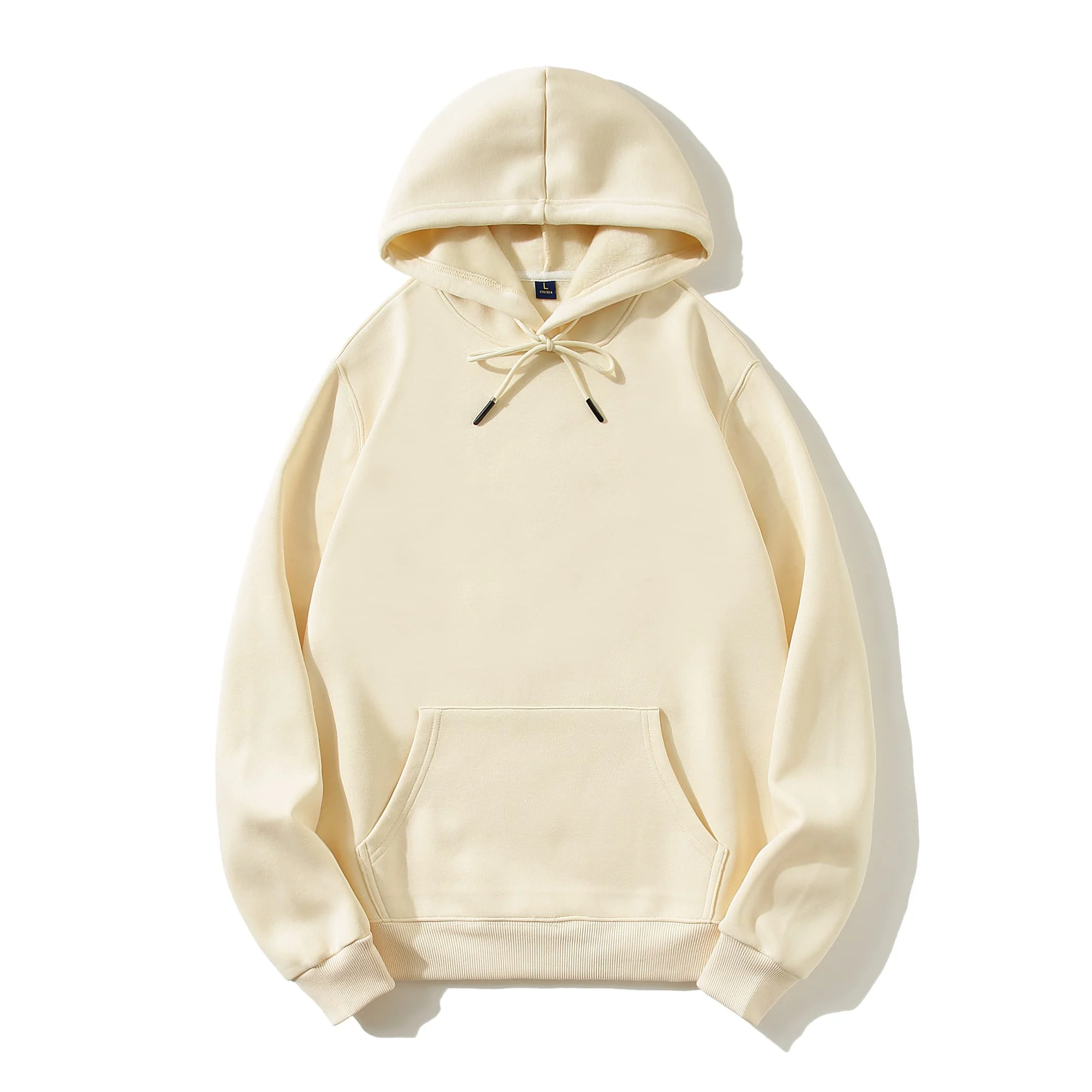 The dimension of functional innovation has been significantly expanded: thermal sublimation fabrics can integrate antibacterial treatment (with an antibacterial rate of ≥99.5%), UV protection (UPF 50+), and temperature regulation functions. The Under Armour HeatGear® series uses sublimation microcapsule technology to actively cool clothing by 2.8℃ in an environment of 35℃. The 2024 NBA All-Star Game commemorative shirt features smart color-changing ink. When the body temperature rises to 37.5℃, the hue change ΔE of the pattern is ≥5, and the trigger response time is only 1.2 seconds. The technology premium for this type of custom sublimated hoodies is 30%, but customers' willingness to pay increases by 65% (NPD group consumer research data).
The environmental benefits are in line with the global ESG trend. The water consumption of the sublimation process is reduced by 85% compared with traditional dyeing (saving 380 tons of water per 10,000 pieces), and the VOC emission is less than 0.5g per piece (the limit value of the EU OEKO-TEX standard is 20g per piece). Patagonia's 2023 environmental report shows that the carbon footprint of its thermal sublimation production line is only 8.2kg CO2e per piece, which is 37% lower than that of ordinary sweatshirts. The dye utilization rate reached 98% (about 70% in traditional printing), and the amount of waste generated was reduced to 1.2kg per thousand pieces (the industry average was 8kg).
Market response data verifies commercial value: The average repurchase rate of brands that adopt sublimation customization is 45% (industry average 28%), and the design freedom enables the number of SKUs to expand to three times that of traditional products. Data from the Fanatics platform shows that the premium space for the heat sublimation event-related clothing is 40-60%, and the inventory turnover rate has increased to 5.8 times per year (only 2.3 times for basic items). During the 2023 World Cup, Nike's custom fan shirts achieved emergency production within 72 hours thanks to real-time thermal sublimation technology, capturing sudden traffic with a conversion rate of 18%, and the peak daily sales exceeded 120,000 pieces.
The dimension of functional innovation has been significantly expanded: thermal sublimation fabrics can integrate antibacterial treatment (with an antibacterial rate of ≥99.5%), UV protection (UPF 50+), and temperature regulation functions. The Under Armour HeatGear® series uses sublimation microcapsule technology to actively cool clothing by 2.8℃ in an environment of 35℃. The 2024 NBA All-Star Game commemorative shirt features smart color-changing ink. When the body temperature rises to 37.5℃, the hue change ΔE of the pattern is ≥5, and the trigger response time is only 1.2 seconds. The technology premium for this type of custom sublimated hoodies is 30%, but customers' willingness to pay increases by 65% (NPD group consumer research data).
The environmental benefits are in line with the global ESG trend. The water consumption of the sublimation process is reduced by 85% compared with traditional dyeing (saving 380 tons of water per 10,000 pieces), and the VOC emission is less than 0.5g per piece (the limit value of the EU OEKO-TEX standard is 20g per piece). Patagonia's 2023 environmental report shows that the carbon footprint of its thermal sublimation production line is only 8.2kg CO2e per piece, which is 37% lower than that of ordinary sweatshirts. The dye utilization rate reached 98% (about 70% in traditional printing), and the amount of waste generated was reduced to 1.2kg per thousand pieces (the industry average was 8kg).
Market response data verifies commercial value: The average repurchase rate of brands that adopt sublimation customization is 45% (industry average 28%), and the design freedom enables the number of SKUs to expand to three times that of traditional products. Data from the Fanatics platform shows that the premium space for the heat sublimation event-related clothing is 40-60%, and the inventory turnover rate has increased to 5.8 times per year (only 2.3 times for basic items). During the 2023 World Cup, Nike's custom fan shirts achieved emergency production within 72 hours thanks to real-time thermal sublimation technology, capturing sudden traffic with a conversion rate of 18%, and the peak daily sales exceeded 120,000 pieces.
The dimension of functional innovation has been significantly expanded: thermal sublimation fabrics can integrate antibacterial treatment (with an antibacterial rate of ≥99.5%), UV protection (UPF 50+), and temperature regulation functions. The Under Armour HeatGear® series uses sublimation microcapsule technology to actively cool clothing by 2.8℃ in an environment of 35℃. The 2024 NBA All-Star Game commemorative shirt features smart color-changing ink. When the body temperature rises to 37.5℃, the hue change ΔE of the pattern is ≥5, and the trigger response time is only 1.2 seconds. The technology premium for this type of custom sublimated hoodies is 30%, but customers' willingness to pay increases by 65% (NPD group consumer research data).
The environmental benefits are in line with the global ESG trend. The water consumption of the sublimation process is reduced by 85% compared with traditional dyeing (saving 380 tons of water per 10,000 pieces), and the VOC emission is less than 0.5g per piece (the limit value of the EU OEKO-TEX standard is 20g per piece). Patagonia's 2023 environmental report shows that the carbon footprint of its thermal sublimation production line is only 8.2kg CO2e per piece, which is 37% lower than that of ordinary sweatshirts. The dye utilization rate reached 98% (about 70% in traditional printing), and the amount of waste generated was reduced to 1.2kg per thousand pieces (the industry average was 8kg).
Market response data verifies commercial value: The average repurchase rate of brands that adopt sublimation customization is 45% (industry average 28%), and the design freedom enables the number of SKUs to expand to three times that of traditional products. Data from the Fanatics platform shows that the premium space for the heat sublimation event-related clothing is 40-60%, and the inventory turnover rate has increased to 5.8 times per year (only 2.3 times for basic items). During the 2023 World Cup, Nike's custom fan shirts achieved emergency production within 72 hours thanks to real-time thermal sublimation technology, capturing sudden traffic with a conversion rate of 18%, and the peak daily sales exceeded 120,000 pieces.